Tropical Garden Grow Guide
Where you are the student and the teacher
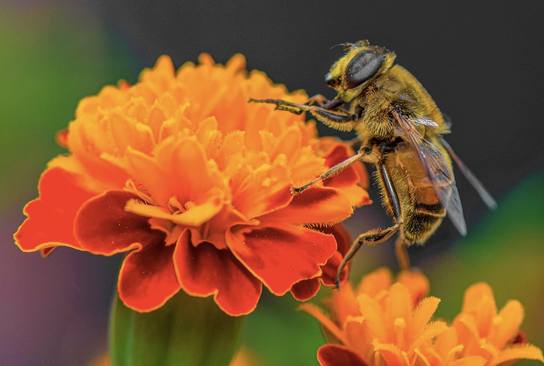
| Botanic name: |
Tagetes erecta Tagetes patula |
| Plant type: |
Annual |
| Sun exposure: |
6 hours |
| pH |
6-7.5 |
| Soil preference: |
loamy-slightly sandy |
November
2026
Marigolds have a long
colorful history. The folklore,
remedies and uses of the flowers for celebrations, memorials and
agriculture uses have been
traced back over 3000 years to the Mesoamerica regions
of Central America and
Southern Mexico. The
flowers were
considered to be sacred and medicinal and are still used
in ceremonies in many
countries of the world, especially Mexico and India.
Two basic varieties of
marigolds African and French dominate
the plant species.
Both are botanically
of the Tagetes genus and are considered to be
annual plants. Both
varieties are hardy and considered
easy to grow.
African marigolds (Tagetes
erecta) did not originate
in Africa;they were named by the Spanish explorers
passing through on their
trade routes through north-west Africa.
This variety typically grows to be from 1-4 feet
in height with strong
stems to support the large orange, yellow and cream
colored blossoms.
The French variety of
marigold (Tagetes patula), also
originated outside France. It was named by the French as
they were heavily
cultivated in France.
This variety is
short and compact with many numerous varieties of many
colors including; yellow,
gold, orange, red, and mahogany. Plants
typically grow to be 6” to 18” high and bushy. There are
over 50 varieties of
marigolds growing in the temperate zones of the world. Please note:
Calendula, known as pot
marigold, belong to another plant genus and are not true
marigolds.
How to plant: Marigolds
are generally known to be
easy to grow flowering plants. They
thrive in the sun and require at least 6 hours of direct
sunlight daily. They
prefer loamy slightly sandy soil and do
not tolerate heavy clay soils. They are
said to grow best in the pH range of 6.0 – 7.5.
Marigolds are annual plants that need to be
replanted each year, however
some seeds from the past years crop often fall to the
ground and plant
themselves. Seeds
can be ordered through
seed catalogs or by collecting flower tops with the
dried out seeds
intact. Either
way once you find your
sunny spot to grow them the soil needs to be cultivated. It is
beneficial to plant the seeds about ¼
inch deep by poking holes about 2-3 inches apart and
planting 2 seeds in each
one. Cover
with fine, preferably sifted
soil. Water
gently each day but do not
leave the seeds in a pool of water. By
days 5-7 the seeds should sprout. One
the seedlings are about 1 ½ inches up, cut out the
smaller seedlings with
scissors. Thin
once again to thin the
French marigolds 8-10 inches apart and the African ones
12-16 inches apart. It
is advised to drench the soil at the base of the plant
1-2 times a week
allowing the top 1 inch of soil to dry out between
waterings.
Disease and pest
control:
Marigolds are hardy plants and have few
pest and disease issues.
Most will survive the whole season with no problems due
to their pungent scent
and bitter taste. Spider
mites can be
controlled with a jet of water on the underparts of the
plant, then by sprayed
with a non toxic soap or a neem oil dilution.
Aster Yellows disease is about the only known
disease that can wipe out
your crop. The
plants shrivel up and
appear yellow. The only remedy is to dig up and destroy
the plant. Do
not compost. The
infested plants can
be burned or sent with the garbage to the
dump.
Marigolds are often
grown as companion plants to tomatoes,
eggplant and peppers to help share their ability to keep
bugs and disease at
bay. Marigolds
repel nightshade loving
nematodes while attracting pollinating
bees. Lady
bugs are also attracted to
marigolds.
How to harvest: For
cut flowers cut the stems with
the sharp clean pruning scissors to the height you
desire. Cut
the flower petals off the stem to make
tea or a culinary or medicinal brew. Save seeds to share
or for next years crop
by drying them, then
storing in a glass
jar.
Recipes: Here
is an easy to make bug repellent spray to deter pests on
other plants.
Pour 4 cups of water
into a pot add a large handful of
marigold flowers, stems and leaves.
Bring the mixture to a boil, then turn off the
heat and allow until
cool. Strain
through a fine mesh
strainer and/or cheesecloth until the particles are
removed pour into a spray
bottle, add 1 tsp. liquid castile soap spray on infested
plants except for
beans and cabbage.
For culinary use. use
sparingly. The
blossoms have a slightly bitter citrusy,
tangy taste. A
single blossom type of
marigold, Signet, is
said to be the best
for most recipes as the aroma and taste is less pungent.
2 cups water, 2 TBS
fresh or dried marigold petals, 1 TBS honey or a
sweetener of your choice
(optional).
Boil the water, cool slightly to avoid scorching the
petals, sprinkle the
marigold blossoms over the water, steep for 3-5 minutes
then strain and add
sweetener if desired.
Enjoy! Please
note that there are numerous marigold
blossom tea and beverage recipes to be found on an
on-line search.
Marigold rice recipe:
Ingredients:
- 2 cups brown rice
- 4 cups water
- ½
teaspoon salt
- 1
tablespoon ground turmeric
- 1
cup diced carrots
- ½
cup raisins
- ½
teaspoon cinnamon
- one handful –
about two
tablespoons marigold blossom tops
- fresh ground pepper to taste
Instructions:
Wash rice until water runs clear, then soak
for at least three hours
Other marigold uses:
Sprinkle salads with
the tips of the flowers.
Feed the spent blossoms
to chicken feed for yellower yolks.
Health benefits: Marigold
blossoms contain
anti-inflammatory, antibiotic, antioxidant and
anti-fungal compounds. The
blossoms can be made into a salve to help minor wounds
heal. Other
benefits include:
can promote restful
sleep, reduce stress and anxiety. Enjoy their
beauty year round in Belize!