Tropical Garden Grow Guide
Where you are the student and the teacher
Featured plant for the month of December 2025
Chipilin
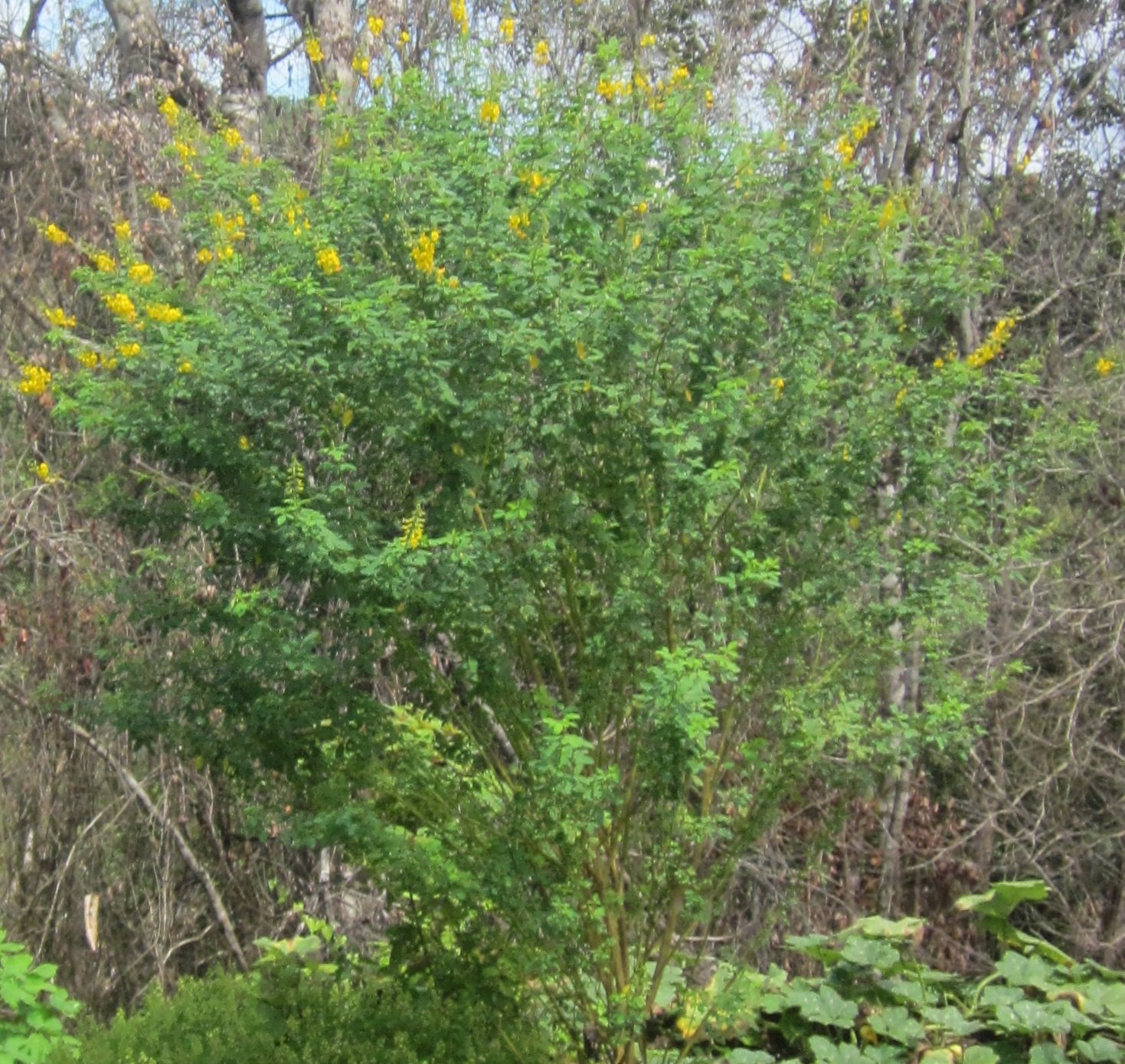
Chipilin
| Botanic name: | Crotalaris logirostrataon |
| Plant Type |
perennial |
| Sun Exposure |
full sun |
| Soil Preference |
well-draining |
| Soil pH |
6-7 |
| Germination |
1-3 weeks |
| Maturity |
45 days |
| Height | 5 ft. |
| Spacing |
2 feet apart |

| Home |
| Grow Guide Index |
| Email |
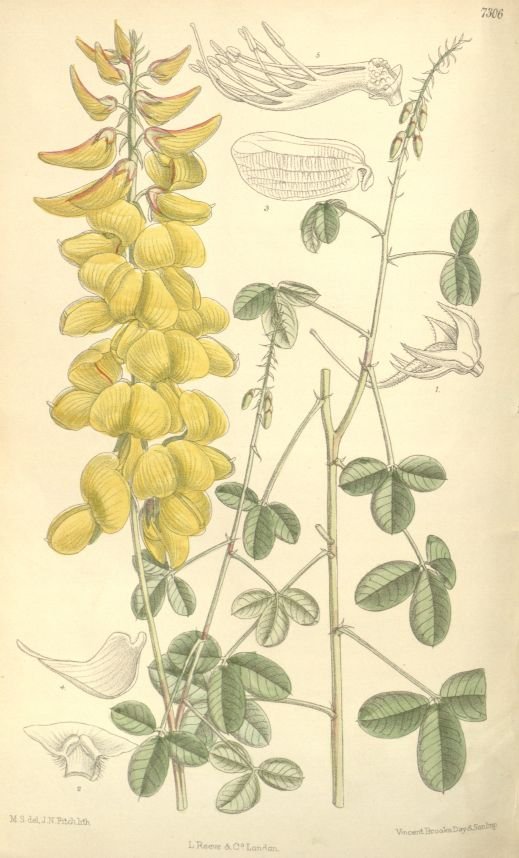
Chipilin, Crotalaris
logirostrataon, also known as chepil, chepilin,
chiplin, or longbeak rattlebox, is an edible wild,
but often cultivated, green leafy leguminous perennial
herbal bush native to Southern Mexico and Central America. The word
chipilin in the K'iche language translates to “that which
makes one sleepy”. Chipilin
got the name name long beak rattlebox from the seeds in
the pods that curve in the shape of a beak and are filled
with seeds when they turn dark or black; dried out seeds
rattle in the pods.
Please note: It is
strongly advised to consume only the leaves, shoots and
flowers of the chipilin bush once you are 100% certain
they are from the Crotalaria longirostrata plant
as there are over 700 species of Crotalaria plants.
The leaves and shoots and flowers of the chipilin bush are
edible only after they are well cooked until soft and
tender before consumption. The roots and seeds contain
toxic alkaloids and should never be eaten. Livestock may be
poisoned if they consume too much raw chipilin; for this
reason it is banned in Australia. Many countries
consider the plants to be noxious weeds despite the
nutritional, medicinal and soil-enriching properties the
plant provides.
How to grow: To
start a crop of chipilin in your home garden, ask around
for fresh seeds or cuttings from healthy local plants or
order on-line. Pure
Asia Seeds offers 100 seeds for $16.99 with free shipping
world-wide. Amazon, Seed Fella and belize.desertcart.com
are other options. Soak the seed overnight to help them
sprout. It is
advised to sprinkle the seeds into moist well-draining
soil in a warm sunny spot in your garden. Seeds germinate
in 1-3 weeks and are generally ready for harvest 45 days
from sowing. Plants may also be propagated by cuttings. Place cuttings
6-8 inches long in water or soil until they sprout, then
plant in a warm sunny location at least 2 feet apart. The
plants grow to about 5 feet tall and sometimes serve as a
fence or hedge. The stems produce lots of small green
leaves with yellow flowers at the top. Be sure to water
when the top ½ inch of soil is dry, but be careful not to
over-water as it may cause root rot. Plants do best
grown in soil with a pH of 6-7. Two waterings
per week is advised via rainfall or by watering. Chipilin has a
benefit for growers of the plant; it is nitrogen fixing
and creates green manure or a cover crop. The roots of the
plant spread to prevent erosion. It is also an
ornamental plant that has some uses as a fiber.
Disease and pest
control: Chipilin grows well in breezy locations. Aphids and
caterpillars can infest the plants. Neem oil spray may
help, especially of the infestation is used before things
get out of control.
How to harvest: It
is an easy task to harvest chipilin leaves and flowers. Just head to
your garden with clippers and clip a few branches with or
without flowers then strip the leaves and flowers to place
in a pan with water to cover and boil until the leaves are
soft.
Health benefits: Chipilin
is nutritious and provides significant amounts of iron,
calcium and vitamins A, B, C, beta-carotene, magnesium and
lysine. The
boiled leaves are said to have a very pleasant aroma and
taste much like spinach, watercress, clover and/or green
beans with a slight bitterness. Consuming chipilin calms
nerves and promotes sleep. Boil leaves to make a soothing
tea. Using
fresh leaves add 1 Tblsp. leaves to two cups of water,
bring to a boil, simmer for at least 5 minutes, allow to
cool for a few minutes, then sip the tea while you relax.
Crushed leaves applied to the skin help heal wounds and
reduce calluses. The
iron in chipilin helps to prevent or is a remedy for
anemia. Research is currently being conducted on chipilin
for its anti-microbial, anti-fungal, possible cancer
treatment and insecticidal properties.
Recipes: Leaves
are added to masa dough to make tortillas, pupusas and
other corn dishes in Belize.
The leaves are stripped from the stem and cooked
before making masa or other recipes. Chipilin is
added to scrambled eggs or tofu and and spaghetti sauce,
soup and rice and bean dishes.
*please note: all
medicinal information is for reference use only.